-
Your Taste Is the Edge in an AI-Driven World
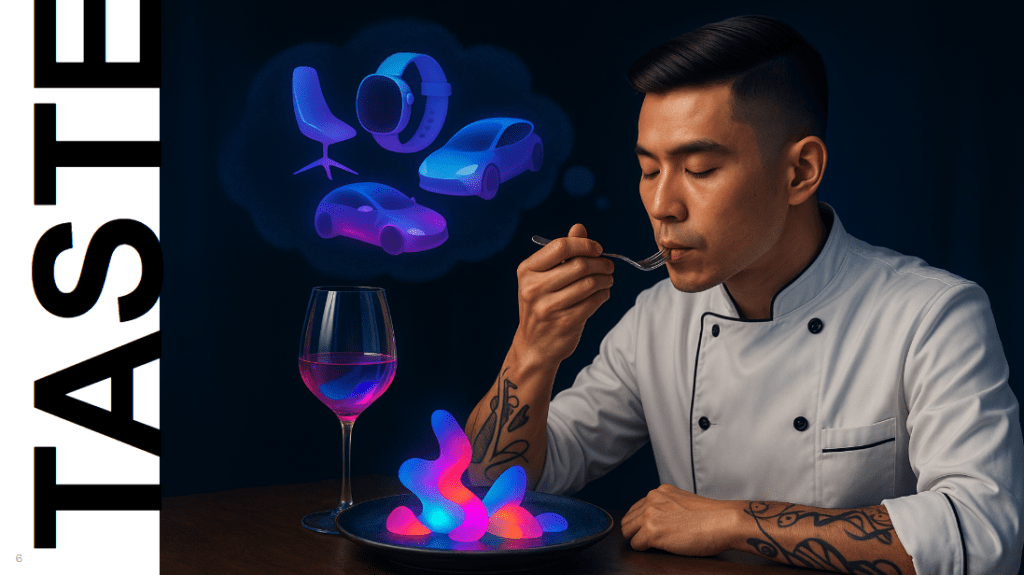
Earlier this year, we attended Adobe’s Jam Space: In Process — Evolving Design with AI and Beyond, and one thing was immediately clear: the conversation around AI in design has matured. This is no longer about novelty or fear. It’s about authorship, responsibility, and where human value lives when tools become exponentially powerful. As AI…
-
Why We “Hatched” Our Own AI Platform: Mooed.ai (Now Flo.ai)
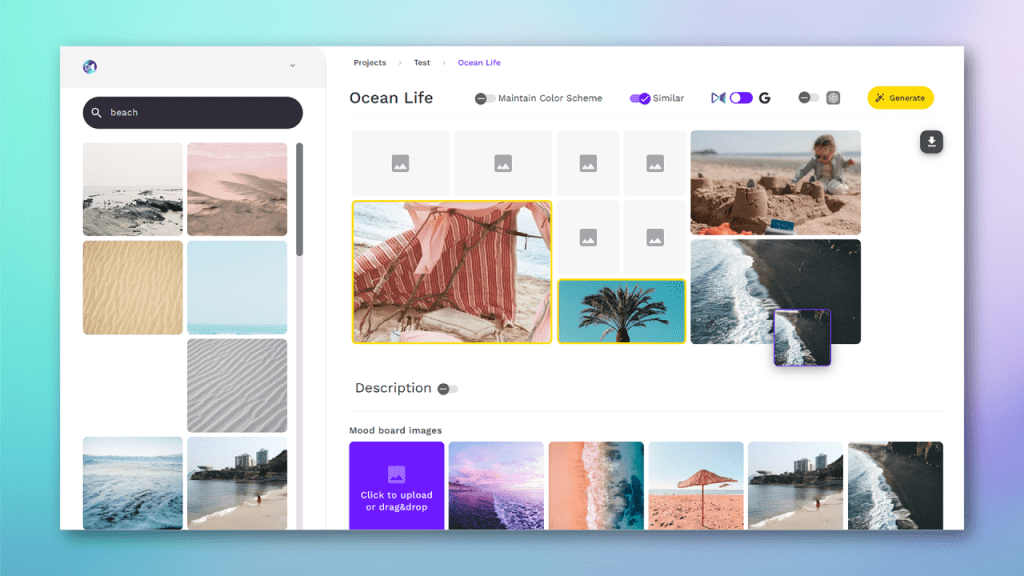
Starting out as an entrepreneur, the journey wasn’t just about launching a business; it was about creating value, solving real problems, and making an impact. Hatch Duo was the first step, serving clients with innovative design solutions. Yet, as we ventured deeper into the startup ecosystem, a new realization dawned upon us: many startups were…
-
Will AI Replace Designers?
What is AI? First and foremost, we must look at what AI is to understand how AI can affect the product development field. If you’ve seen Sci-Fi films or TV shows, you’ll know AI is nothing new. We define artificial intelligence as “the theory and development of computer systems able to perform tasks normally requiring…
-
The Value of Design
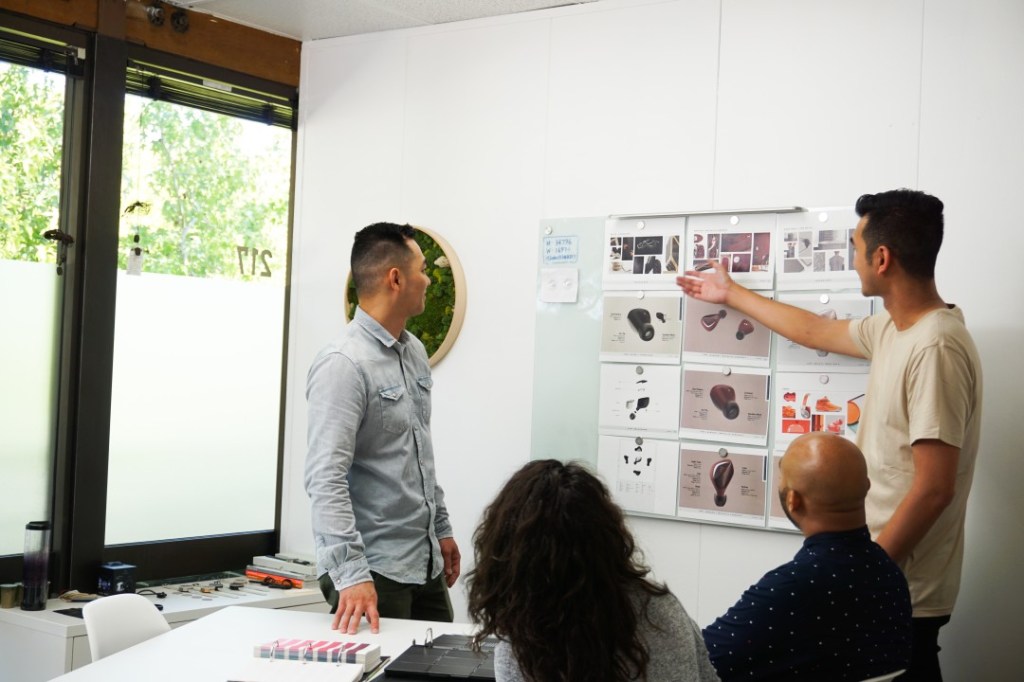
One of the most common design misconceptions is that designers aim to “make things look pretty.” People mistakenly think of design as a back-end or decorative portion when in reality, it’s the tip of the spear. It is a process that involves enormous empathy and creative and strategic thinking to better-fit customers’ needs. Incorporating design…
-
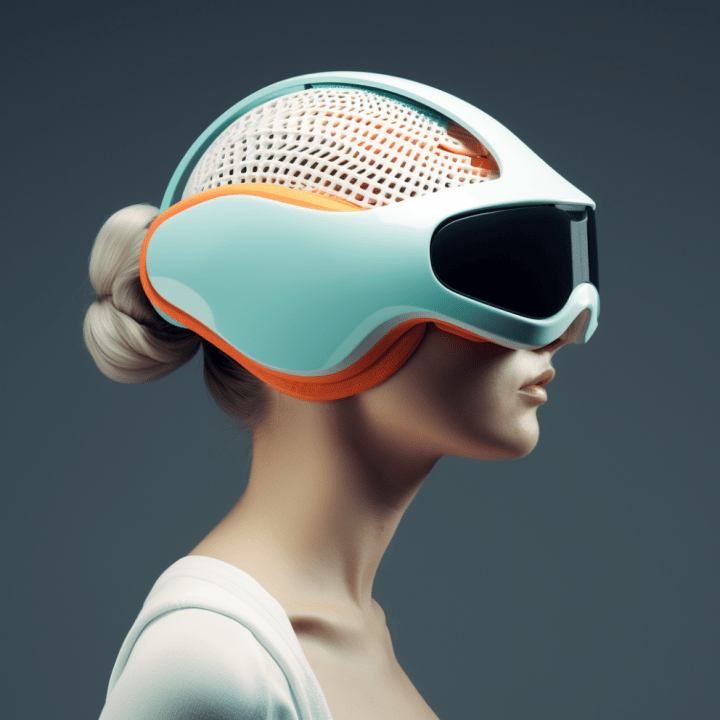
Redefining Design with AI: The Mygg EEG Mixed Reality Headset
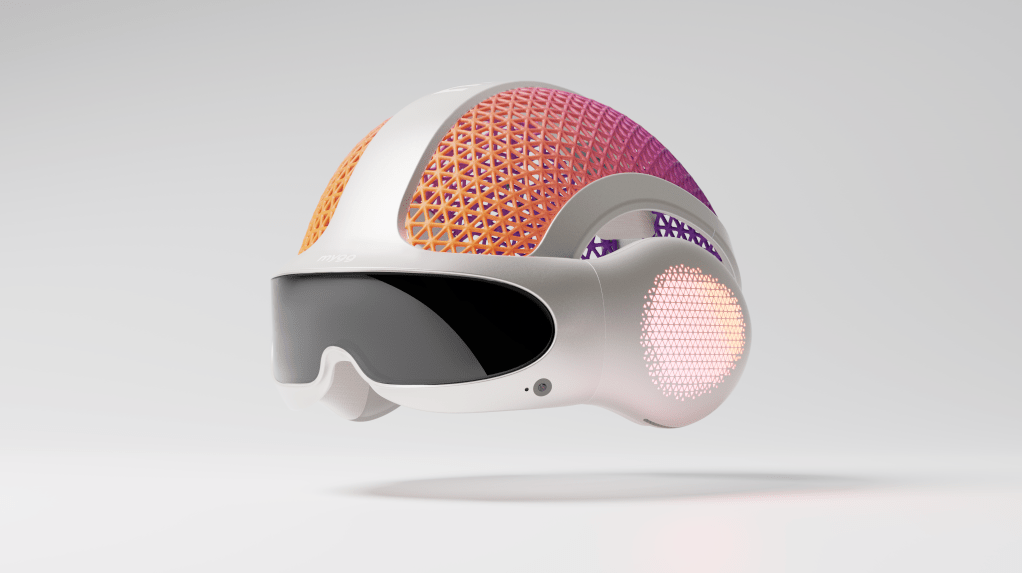
At Hatch Duo, we are committed to pushing the boundaries of design through AI integration. Our latest concept project, Mygg, an EEG Mixed Reality Headset, serves as a case study on how AI can revolutionize the industrial design process. By incorporating AI-powered tools at every stage, we optimized creativity, efficiency, and precision—transforming the way we…
-
AI in Design: How HELIOS Showcases the Future of Industrial Design
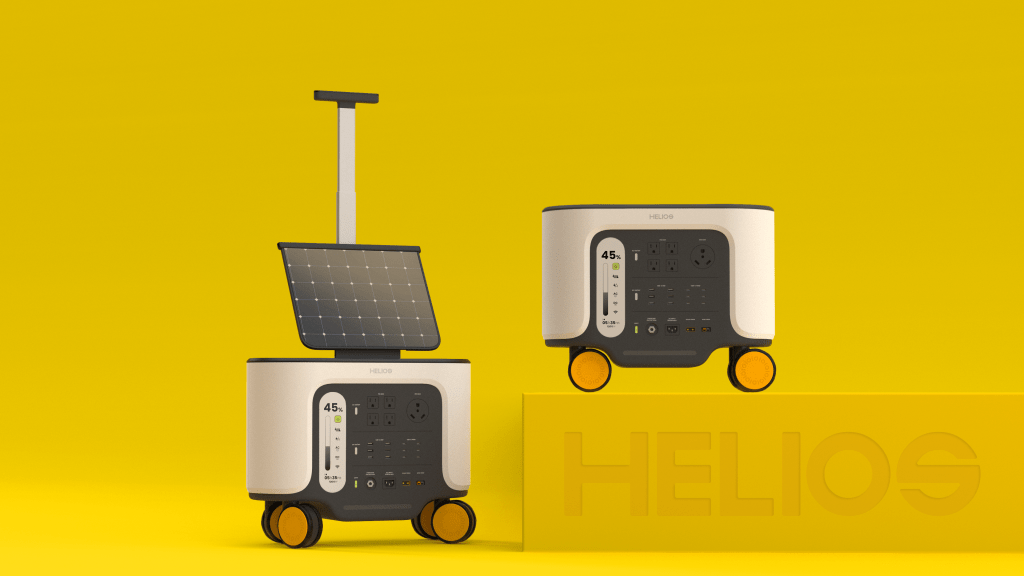
Generative AI is rapidly reshaping the design industry, offering new ways to enhance creativity, efficiency, and problem-solving. At Hatch Duo, we’ve embraced AI not as a replacement for human ingenuity but as a collaborative tool that amplifies our design capabilities. Our latest concept project, HELIOS, is a case study in how AI can be seamlessly…
-
Designing for Performance: The Next-Gen Narwhals
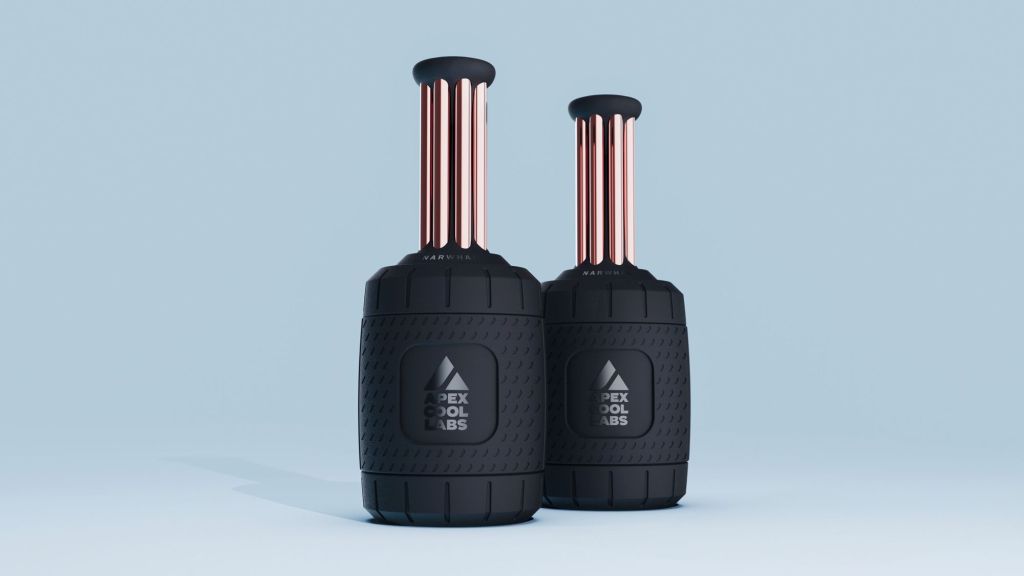
At Hatch Duo, design isn’t just about aesthetics—it’s about refining solutions that enhance performance, usability, and reliability. In collaboration with Apex Cool Labs, we worked on the Next Generation Narwhals to bring a thoughtful approach to industrial design, ensuring the product balances functionality with a refined, rugged aesthetic. Designed for athletes, firefighters, and professionals in…
-
Designing for Repairability

Today, let’s dive into a thought-provoking topic that affects both consumers and the environment: “The Ethics of Planned Obsolescence: Designing for Longevity.” In our fast-paced world, technology evolves at an astonishing rate, leading us to constantly seek the latest and greatest gadgets. But have you ever stopped to consider the ethical implications of this trend?…
-
When is Engineering needed in Product Development?

A question that frequently arises is: When is engineering required in product development? This is a complex inquiry that relies on the perspective of the individual and the nature of the product itself. An industrial designer, for example, is likely to suggest that engineering comes into play after concept development and finalizing the design since…
-
The Unspoken Truth About Designed Products vs. White-Labeled Commodities: Differentiation, Preference, and Long-Term Brand Equity
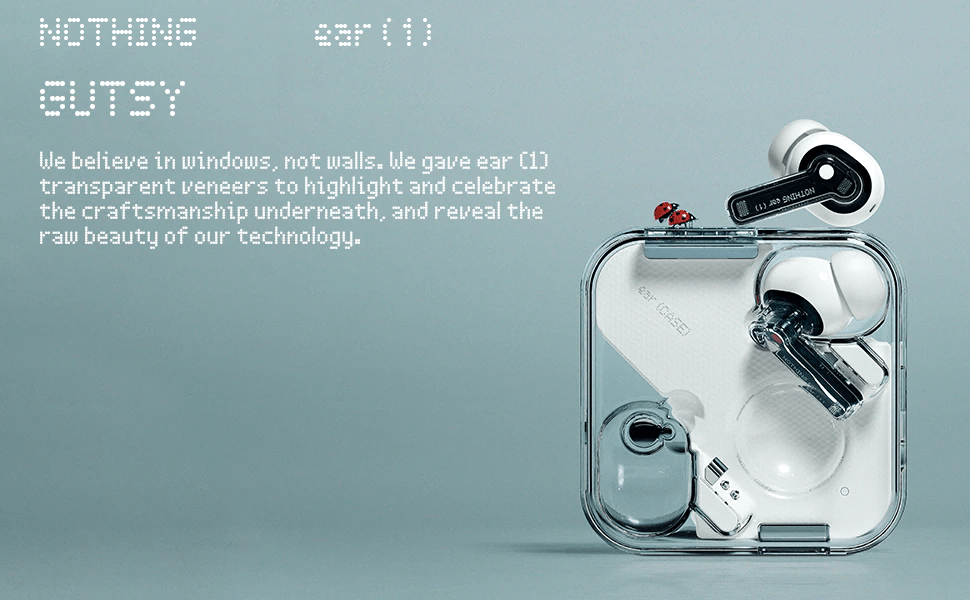
I might ruffle some feathers, especially among those who rely on white-labeling, but let’s face it: differentiation creates preference and affinity in the hearts and minds of consumers. In contrast, commodities often find themselves stuck in a race to the bottom, competing solely on price and convenience. Here’s why investing in design differentiation is not…

 The Hatchery